Case Study 01Prod GHPDir G. Hobbs
Client Help Is Here — Personal Injury Attorneys
Help is
Here Law
Firm Video — From The Help Is Here Rebrand
From three videos a month to rebuilding how a law firm runs.
CS.02 — The Starting Point
A content retainer walked into a relaunch.
When I started working with George, the agreement was simple: three videos a month. Content production for a personal injury attorney building his personal brand.
But George was in the middle of something bigger. He was splitting from his former law partner, retaining the "Help Is Here" name and trademark, and effectively relaunching the firm under his own leadership. A content retainer wasn't going to be enough. The firm needed a brand, a website, a way to be seen across Houston — and underneath all of it, an intake and case management system that could actually keep up with growth.
That's where the engagement went. Not because I pitched it that way on day one, but because every layer I touched revealed the next one that needed work.

CS.03 — What was delivered, layer by layer
01
Brand Foundation & Content Engine
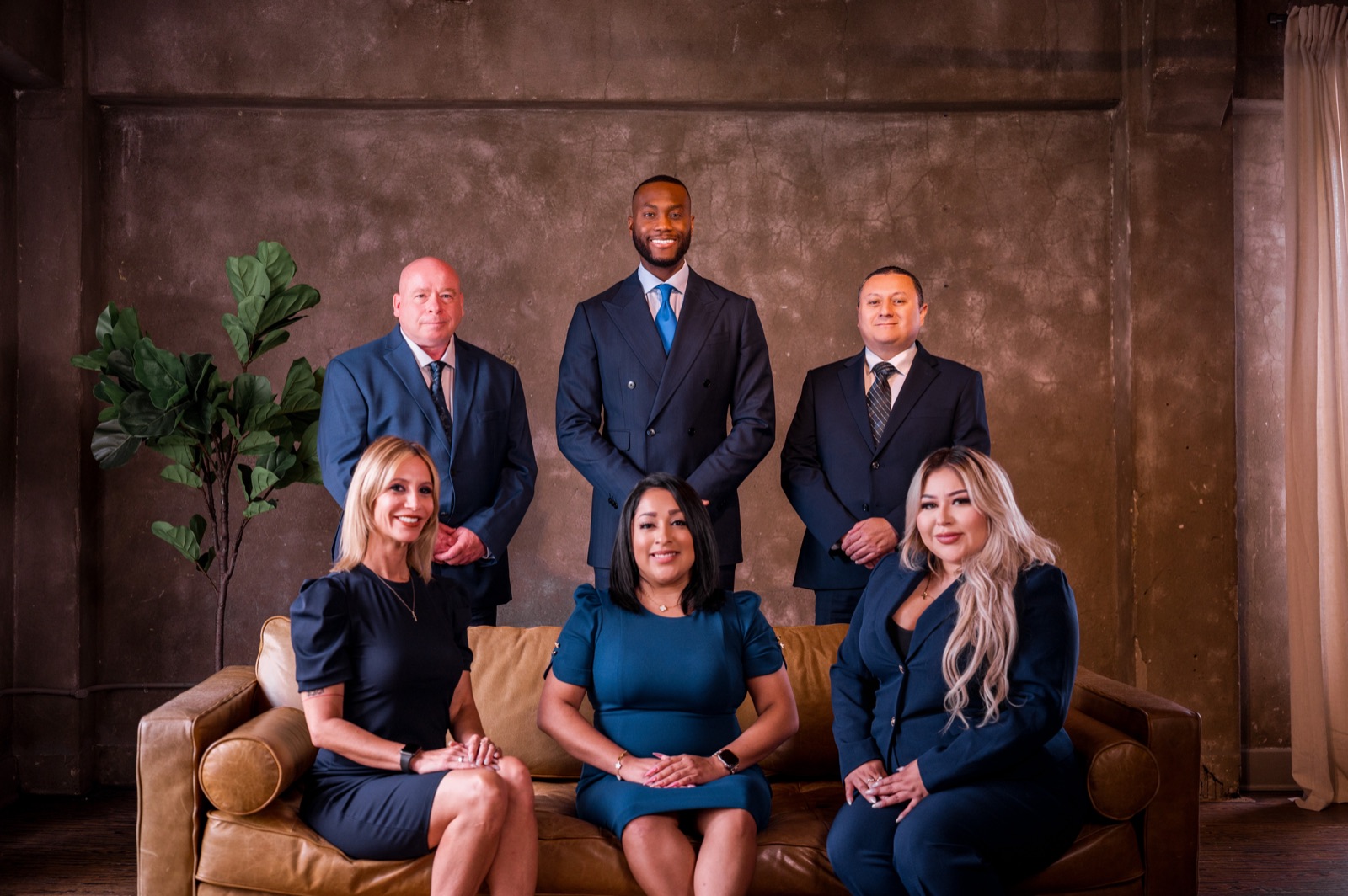
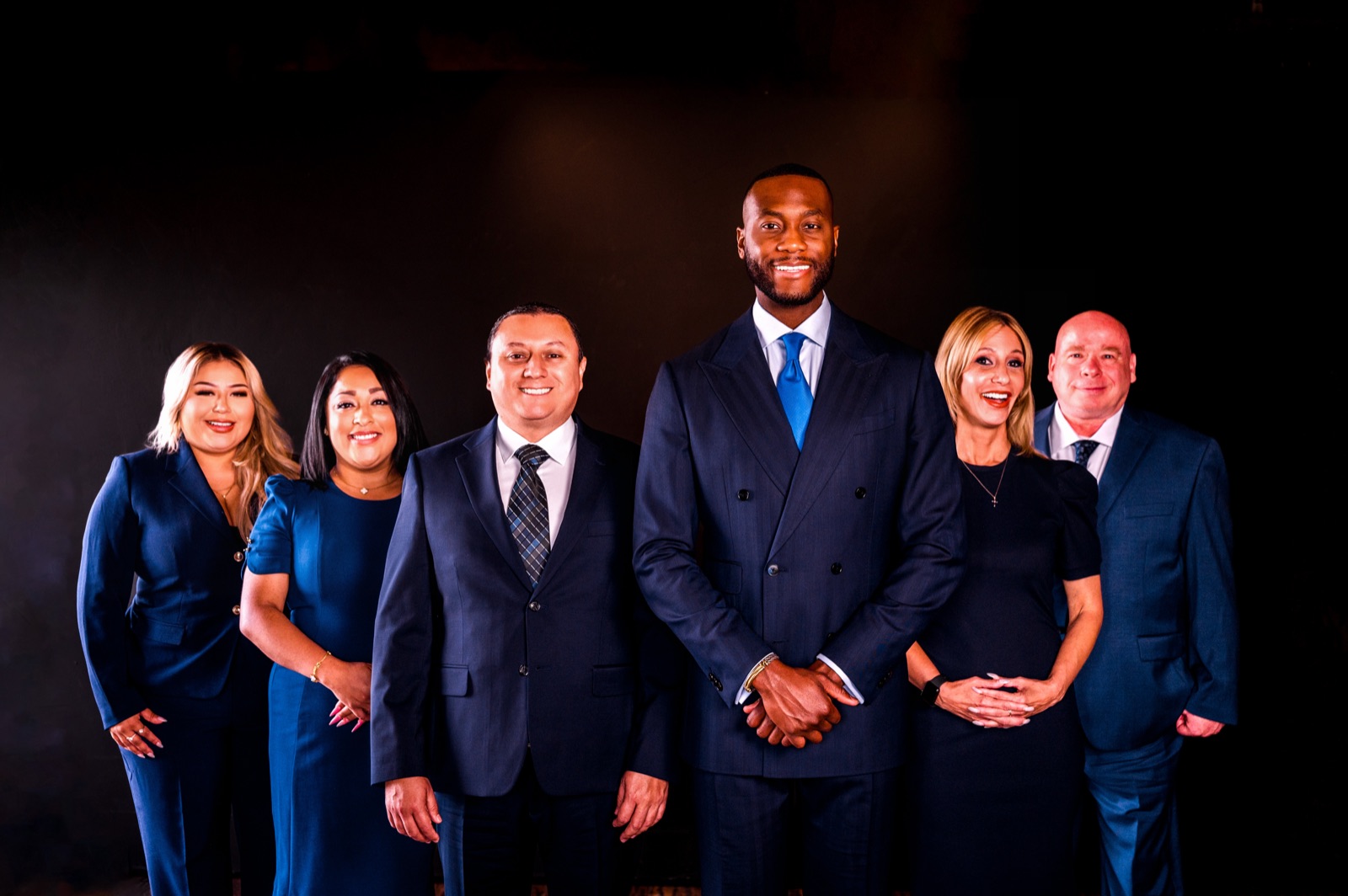
The rebrand moment was the highest-leverage window the firm would ever get — the chance to define what Help Is Here looks and sounds like before content volume scaled around the old identity.
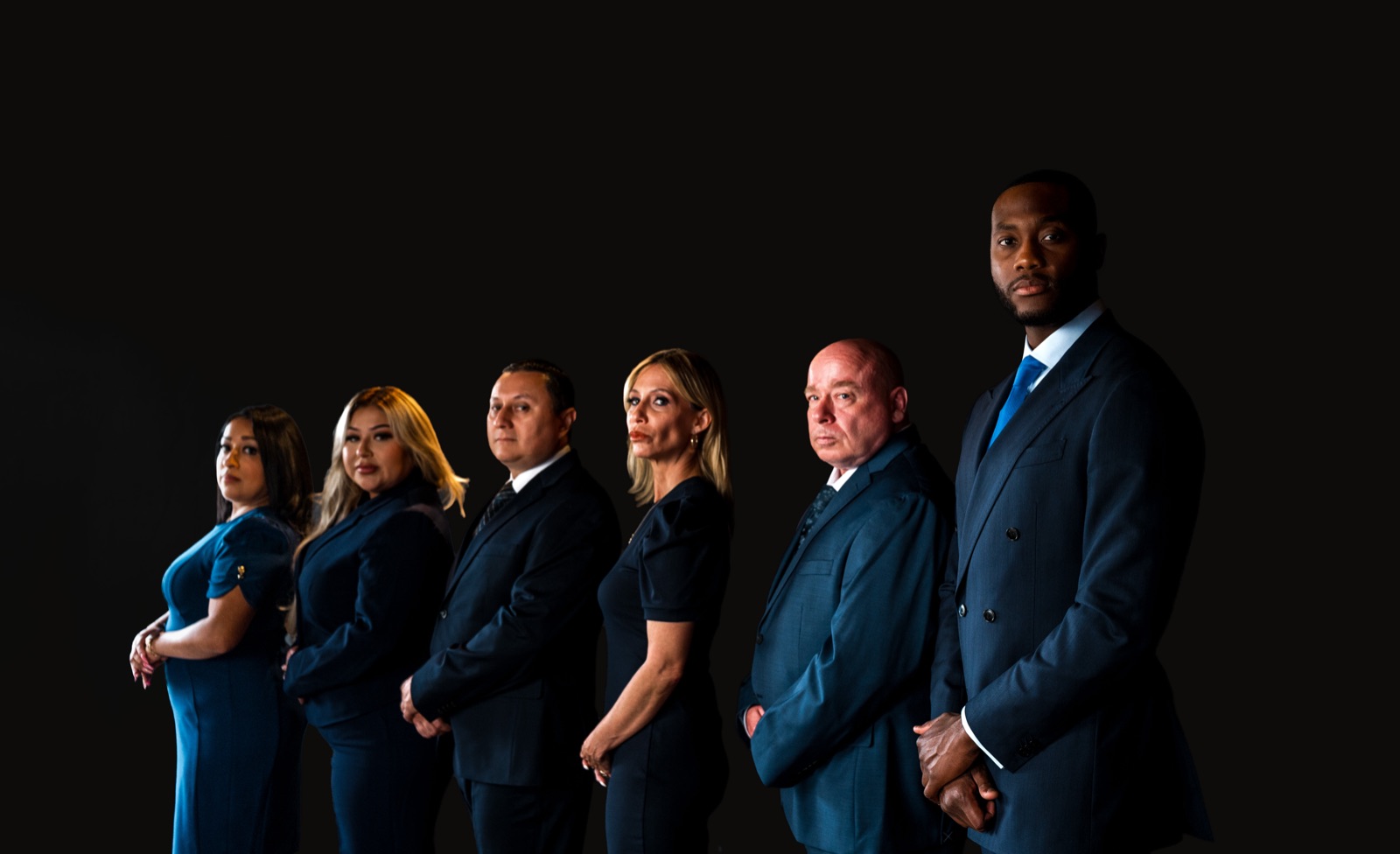
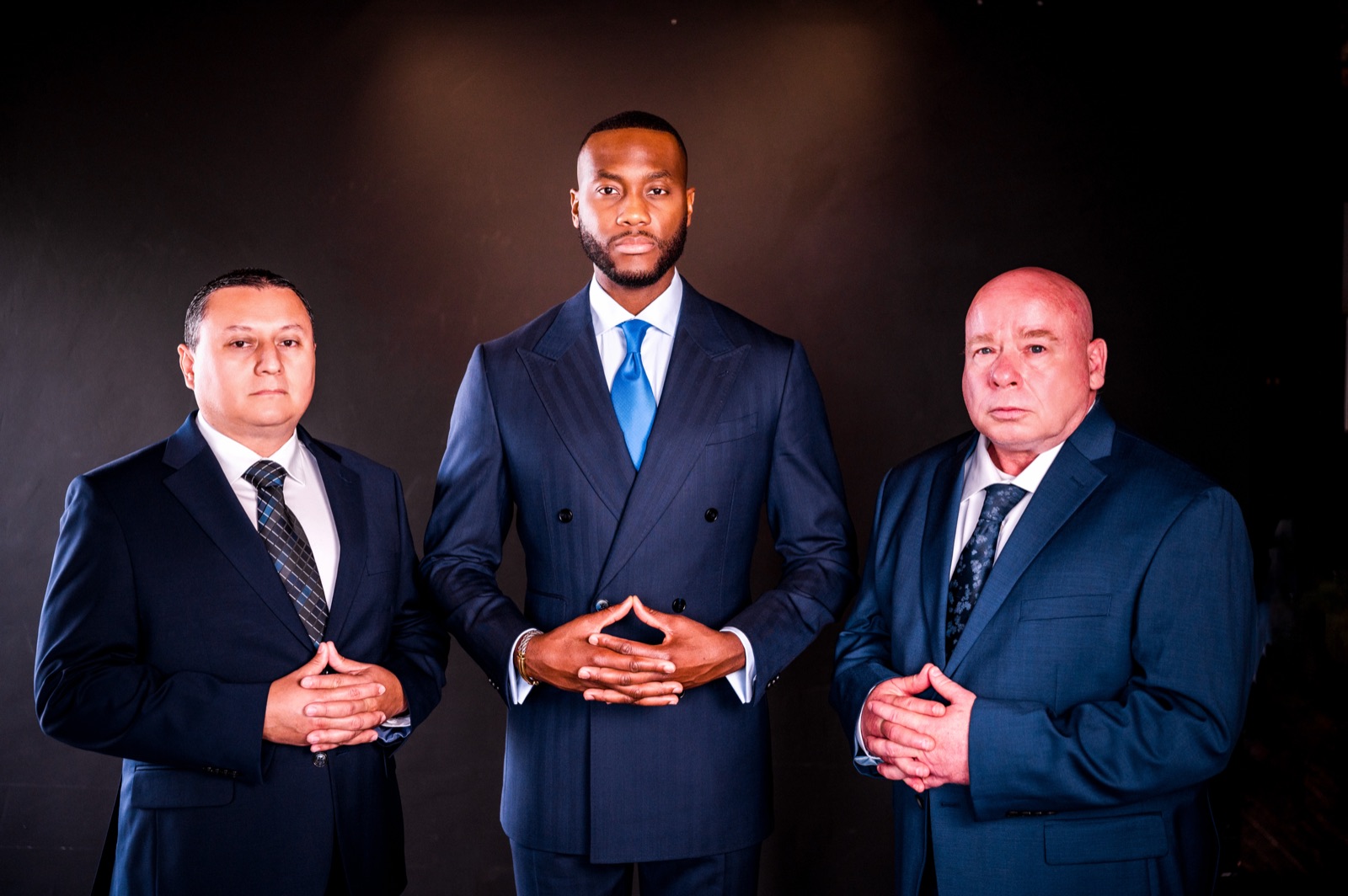
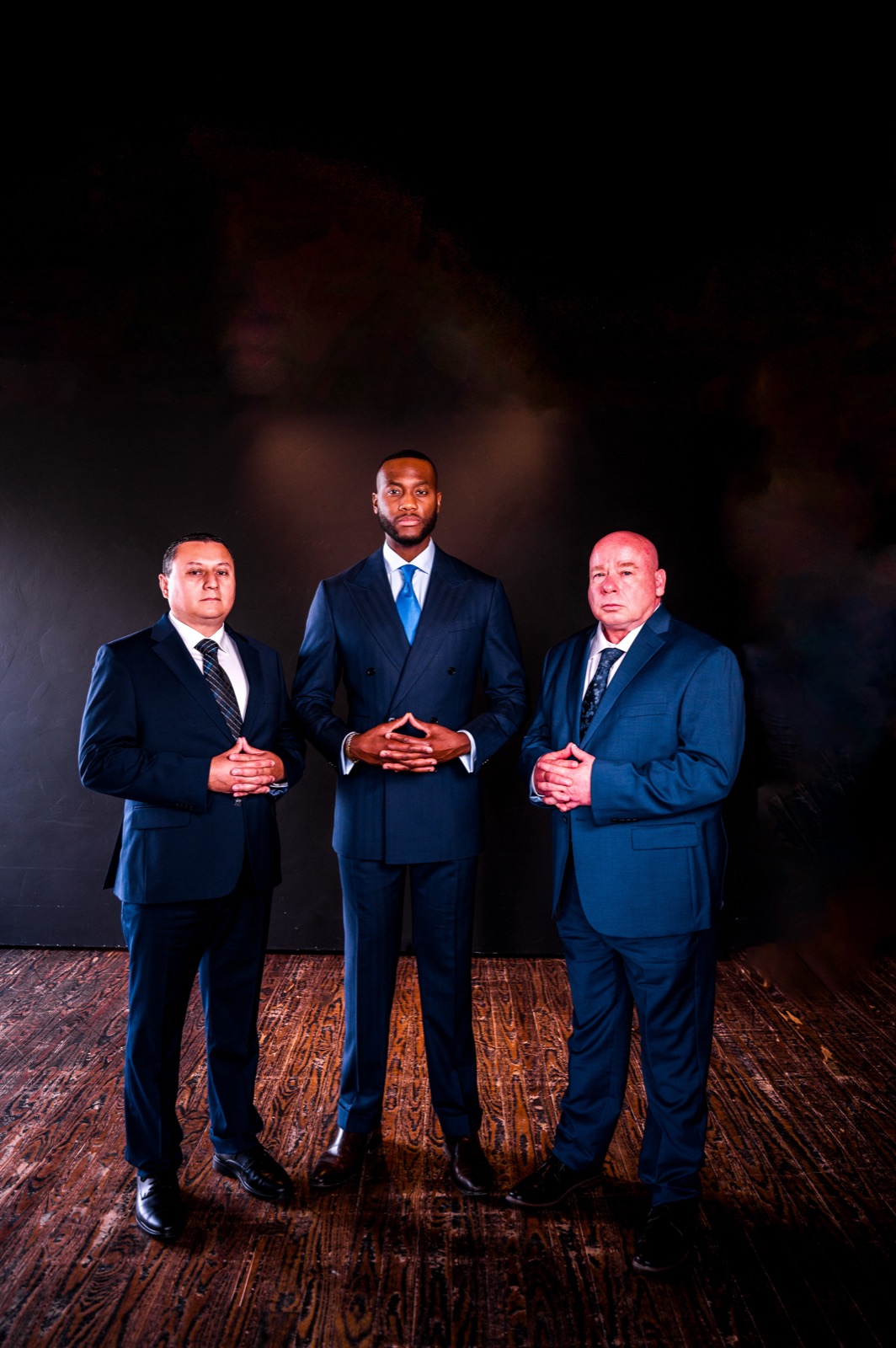
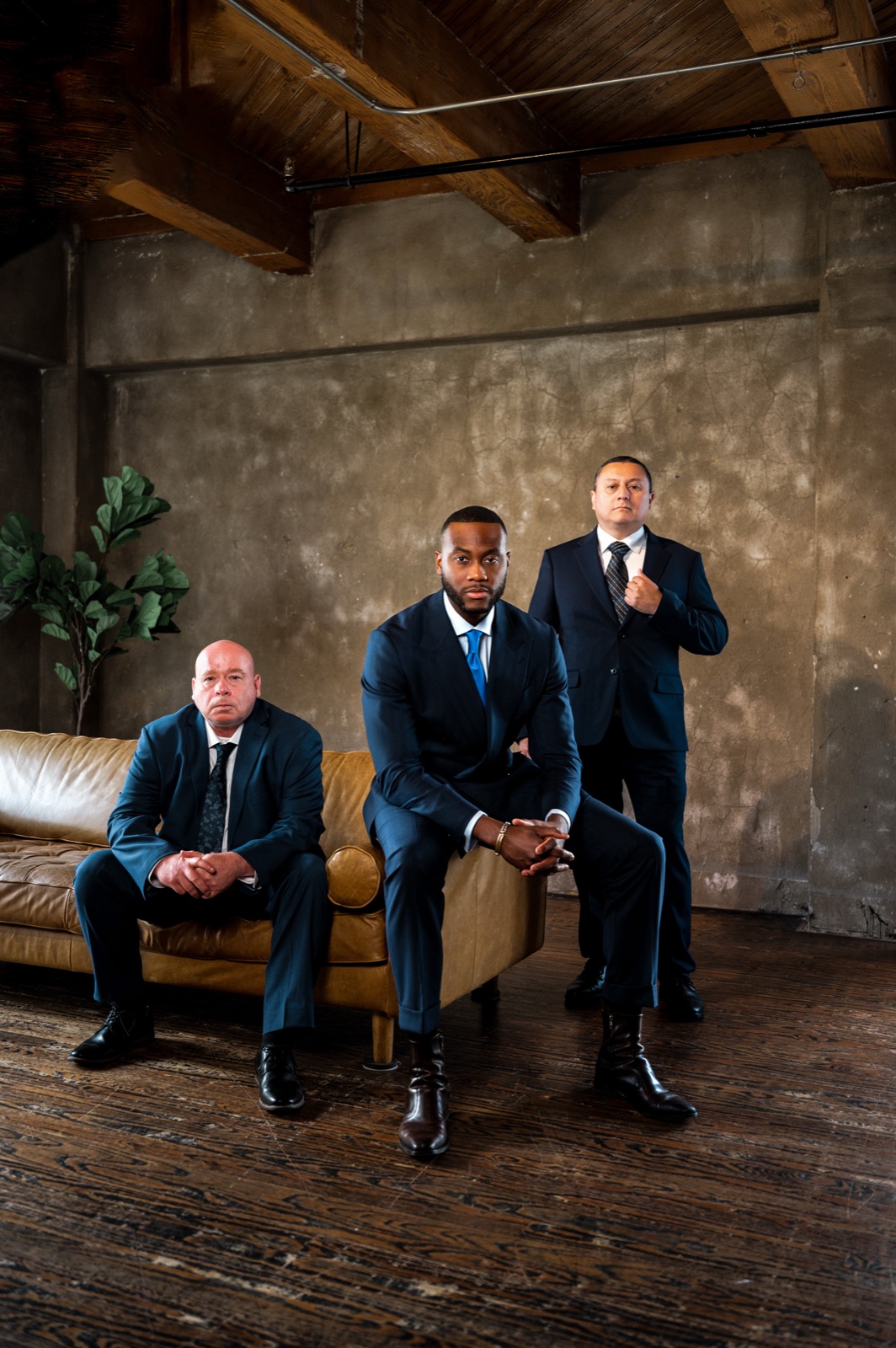
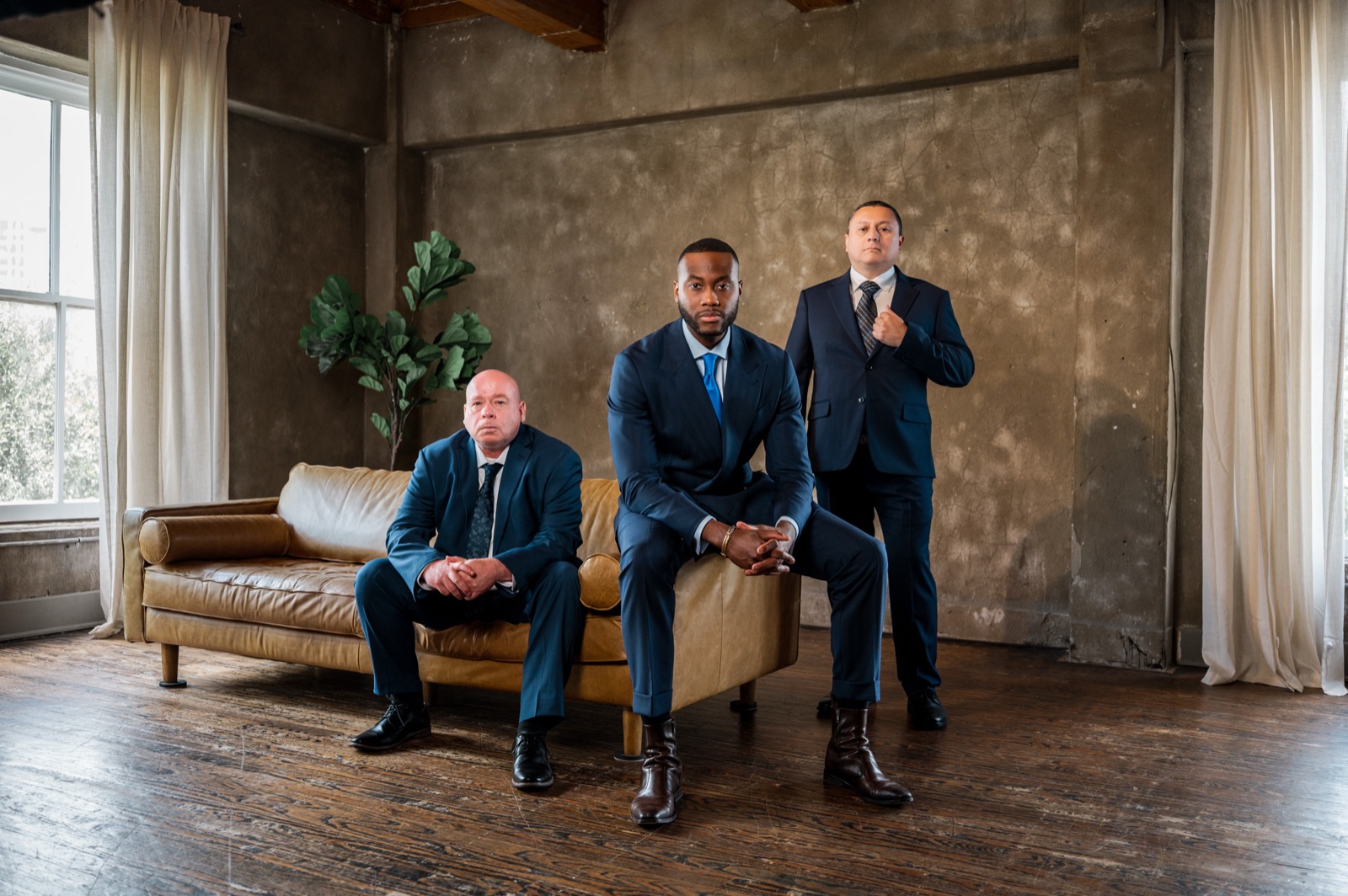
- Foundation content shoot — a full production day: attorney headshots, team interviews, studio photography. A complete visual library under the new brand.
- Ongoing video production — the original content engine, now producing brand and personal-brand video across platforms, with production subcontracted under my direction.
- Brand system coordination — logo and brand kit with a dedicated designer, so a thumbnail and a billboard read as the same firm.
- Rebrand launch creative — including a custom video overlay system for the firm's rebrand celebration event.

02
Website
I designed, built, and deployed the new Help Is Here website — fast, single-purpose, built around the rebrand, on modern hosting the firm owns outright. No proprietary CMS lock-in, no agency hostage situation. When the engagement ends, George keeps everything.
03
Billboard & Traditional Media
Houston is a freeway city, and personal injury is a trust business. The billboard puts George's face — the same face from the video content — in front of the daily commute. The centerpiece concept borrows from blockbuster movie billboards: George tearing an eighteen-wheeler in half through the board itself, sparks and all. A personal-injury billboard drivers actually remember.



04
The Systems Audit
This is where the engagement became something no marketing agency offers. While mapping the firm's buyer's journey, I ran a full audit of the CRM and case management stack (Clio Grow and Clio Manage). What I found ran deeper than marketing:
22/34
Active intakes stuck at “Contract Sent” — no follow-up cadence watching them
16
Referred-out cases miscategorized in the pipeline
2→14
Licensed users — from two people to the whole firm
340
Row statute-of-limitations audit tracker, with live risk bands
Signed retainers that didn't capture the date of accident — deadlines that couldn't be calendared at sign-up. That's not a data hygiene issue; that's malpractice exposure.
The audit turned into an action plan: George approved licenses for all fourteen staff, and every open matter's deadline exposure is now visible at a glance. Remediation is in progress.
05
Process Mapping & Decision Systems
You can't automate a process nobody has drawn. I built and maintain two living process boards for the firm:
- The Buyer's Journey board — the complete intake flow from both entry points (website and phone) through accept, decline, and refer-out branches. Every step owned by a named team member; every gap flagged for build.
- The Case Types decision tree — screening logic for every case type the firm handles, so intake staff make consistent accept/refer/decline calls without escalating everything to an attorney. Escalations route to the Director of Pre-Litigation, not the founding attorney — the difference between a firm and a bottleneck.
06
AutomationsIn build
The current phase, installing directly into the firm's existing stack:
- LiveAutomated intake capture from the website straight into the CRM — no manual retyping, no single-person bottleneck
- BuildingFollow-up cadences for unsigned contracts — the highest-intent, lowest-cost pipeline the firm has
- BuildingAutomated intake→matter conversion, with folders and notes created on conversion
- BuildingA dedicated “Referred Out” pipeline with tracking — referral-fee revenue out of email threads
- BuildingMarketing-source cleanup — the foundation for cost per signed case by channel, not cost per lead
07
Documentation & Handoff
Everything I build is documented so it survives me: a structured operations hub with the Case Operations Framework, a 30-step sequenced Implementation Playbook, the live state of every process board, and briefing documents for leadership. The goal is a firm that runs on systems, not memory.
"The brand is the promise. The funnel is the path. The systems are the machine that keeps the promise."
Foundation shoot — selects
Scroll →

HIH-64

HIH-65
HIH-69
HIH-71
HIH-72
HIH-73
HIH-74

HIH-85

HIH-86

HIH-89
CS.04 — The Films
The content engine, running.
The original three-videos-a-month retainer never stopped — it professionalized. Personal-brand films, courthouse stories, and event coverage, all cut under one visual language so every touchpoint reads as the same firm.
Hover to preview. Click any frame to watch it with sound.
Scroll
CS.04B — In their own words
The clients, on the record.
Personal injury is a trust business, and nothing carries trust like the people the firm actually represented. These were filmed in-house, in the firm's own offices.
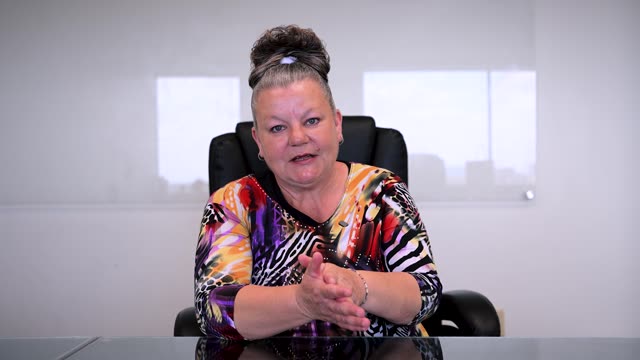
The Client's Story
Filmed in-office · 1:03

Emeryn
Client testimonial · 1:01
CS.05 — Results
The results chapter is still filming.
Personal injury outcomes take years to settle, so this engagement is measured on leading indicators — the operational numbers that predict case outcomes rather than trail them. Those numbers are being captured now; the full results chapter publishes end of 2026.
What can be said today: a firm that started with a content retainer now has a rebuilt brand, a website it owns outright, freeway visibility, a documented intake system with named owners at every step, statute-of-limitations exposure visible for every open matter, and automations replacing the manual retyping that used to stand between a phone call and a signed case.
To be measured
Intake capture rate — before / after automation
To be measured
Contract-sent → signed conversion, after cadence install
To be measured
SOL exposure — matters at risk identified and remediated
On record
Staff on system: 2 → 14 licensed users
CS.06 — Why this engagement is different
Most law firms buy marketing from one vendor, software help from another, and operations advice from a third — and nobody is accountable for whether the pieces fit together. The lead comes in from the billboard, hits a website the marketing agency built, lands in a CRM nobody configured, and stalls in a pipeline nobody watches.
I own the whole distance: from a stranger seeing the firm to a signed case living correctly in the case management system. That's what I built for Help Is Here. It's what I build for law firms.
Next case study
All Shades of Hue — 8.4M views, sold out in 90 days →